One remote, every blind on the wall
On a home with more glass than any chain could reasonably manage, motorisation stops being a luxury upsell and starts being the only practical way to run the place.
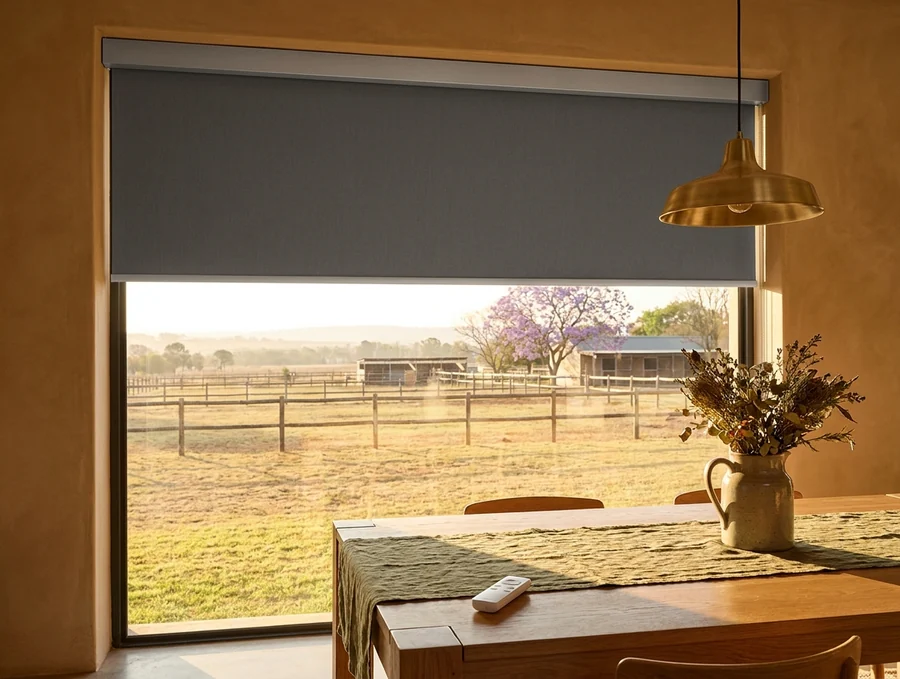
A tubular motor sits inside the blind roll itself, driven by a handset remote, a wall switch, a phone app, a schedule or a sensor. It's a sensible upgrade on almost any blind, but on the wide, linked glazing typical of a Beaulieu estate home it's often the only workable option — chains simply weren't built for a wall of glass that runs six metres uninterrupted, or a stairwell void two storeys high.
Power options
- Rechargeable battery motors — no wiring, retrofit-friendly, charged every few months.
- Wired 220V motors — permanent and best for big or heavy systems, exterior products, and new builds where an electrician is already on site.
- Solar trickle options — useful for awkward or hard-to-reach positions.
Control that actually gets used
A single multi-channel remote can run every blind in a room, or the whole house, from one handset. App control puts them in your pocket — handy when you're at the stables and remember the west lounge blinds are still up. Schedules drop shading automatically as the sun swings around, and sensors do the safety-critical work: sun sensors lower shading on the hottest elevations, while wind sensors retract exterior awnings and screens ahead of a highveld storm rather than after the damage is done.
Where it's essentially required
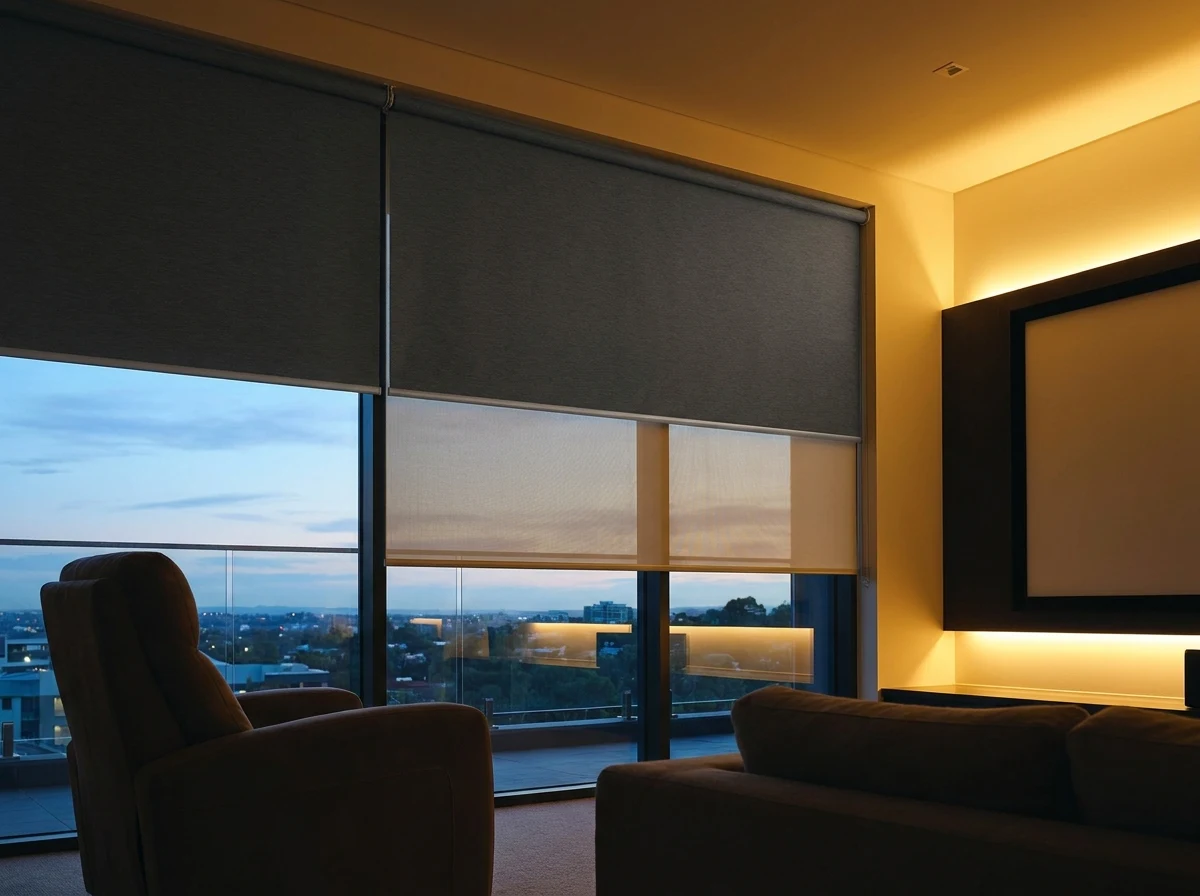
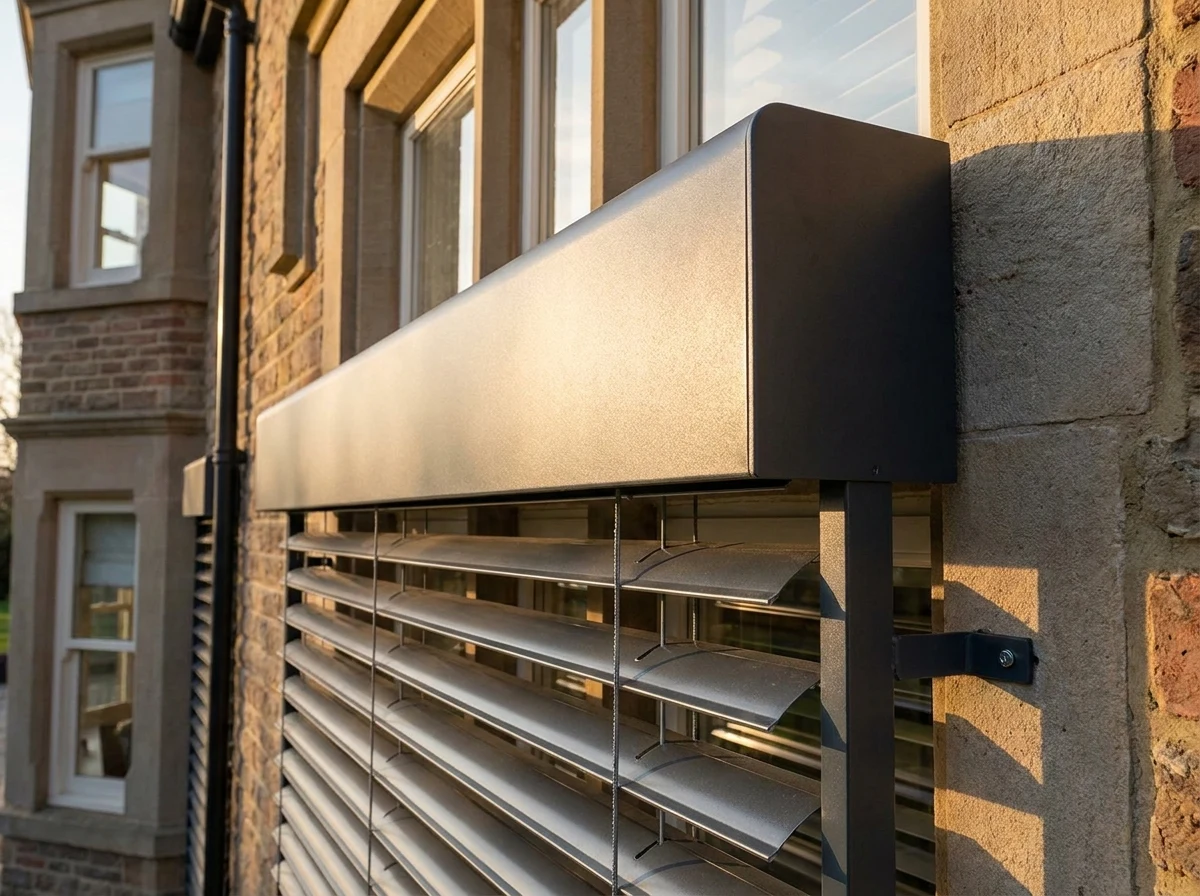
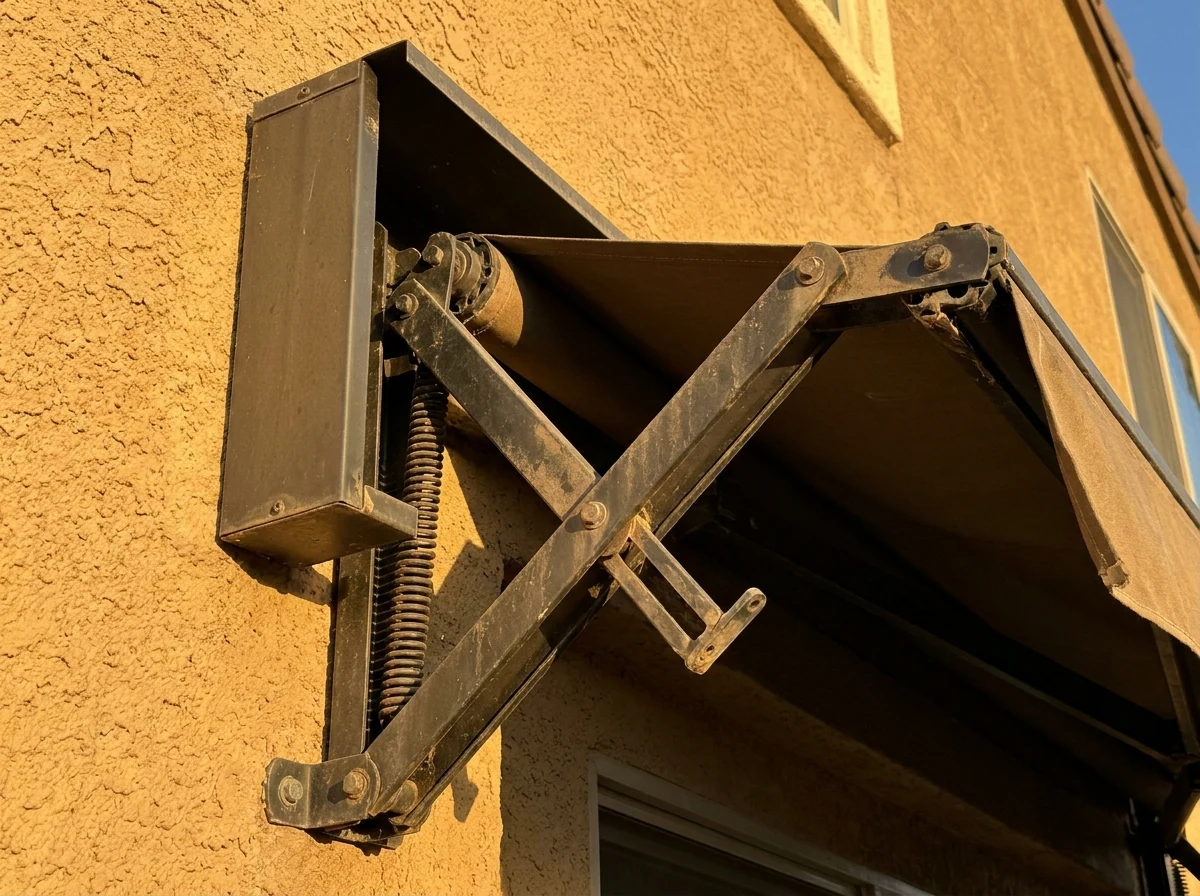
Spans too wide or heavy for a chain, blinds above stair voids or double-volume glass, external venetians, awnings and zip screens, and any wall with several blinds you'd rather run on one button than six separate pulls.
Worth knowing
No dangling chains makes this the most child-safe operation available — nothing for small hands to reach. Quality motors are quiet, not silent, and carry multi-year guarantees; battery motors need that periodic charge, which we'll set clear expectations on at the quote stage rather than let it be a surprise later.
Putting a number on it
Motorisation has no price of its own, because it always rides on some other product. Across the range we hang here it falls somewhere between R2,500 and R7,500 for each square metre — an interior roller at the bottom, a motorised external venetian or a wide stoep awning at the top, and the rest placed by product and span. Sensors, wall switches and multi-channel handsets go on the quote as their own lines.
The price will not scale down on a small opening, and on a window you can reach without thinking a motor is usually money badly spent — we will say so at the measure rather than write it into the schedule. Your figures come off that visit, on paper, first.
Motorising has become the standard right across the corridor — on the wide glazing typical of Kyalami and Chartwell estates, and just as often on the new-build walls of Blue Hills and Waterfall.
Let's take the real sizes off your windows.
A free in-home measure, a written quote per window, and one of our expert consultants managing the rest.